
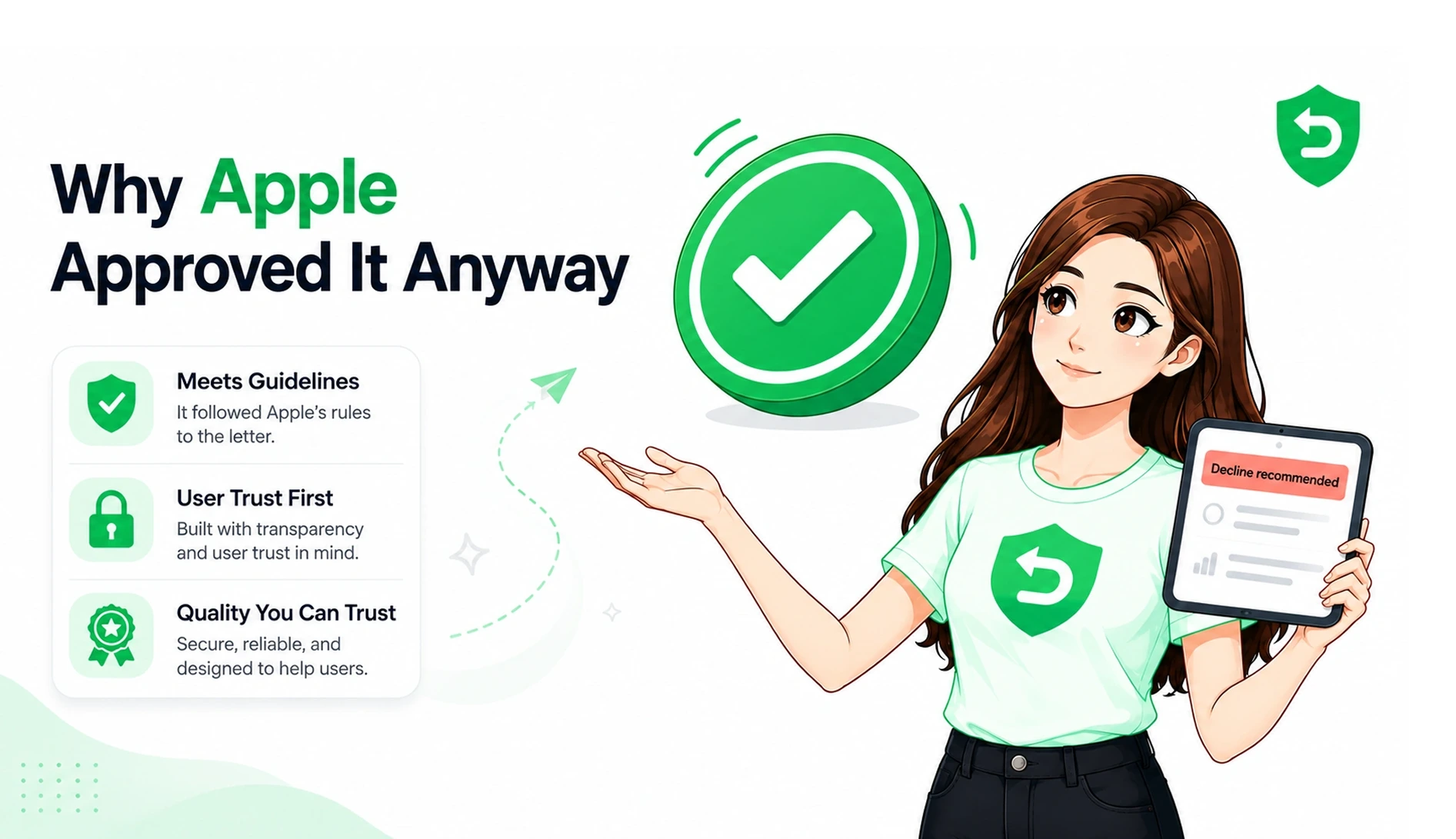
Quick answer: Because Apple always makes the final decision, your consumption data and refund preference are inputs, not a veto. Even a strong, on-time response with a "prefer decline" preference can result in a granted refund if Apple's decisioning system weighs the customer's history, the refund reason, or other factors differently. It doesn't mean you did anything wrong, and it doesn't mean responding is pointless. It means you influence the odds, not the outcome of any single case.
The short, honest answer
This is one of the most frustrating moments in the whole refund process: you caught the CONSUMPTION_REQUEST in time, you sent accurate consumption data, you set your preference to decline, and Apple granted the refund anyway.
Here's the truth, stated plainly: you never had the power to deny the refund. Apple owns the payment relationship and Apple owns the decision. Everything you send is evidence submitted to the decision-maker, not a control over it. A judge can read your brief and still rule against you. That's the relationship you have with Apple's refund system, and understanding it upfront saves a lot of misplaced frustration.
What your response actually does
Your consumption response is one input into Apple's refund decisioning system, alongside a set of factors you don't see or control:
The customer's stated refund reason.
The customer's purchase and refund history across their account.
Apple's own policies, including consumer-protection obligations in the customer's region.
The specifics of the transaction.
And, yes, your consumption data and refund preference.
You're adding weight to one side of a scale that Apple, not you, reads. Adding weight matters, but the other side can still be heavier in any given case.
Reasons a well-formed response still loses
If you responded correctly and still lost, one of these is usually why:
The customer's side was simply stronger. A believable dissatisfaction reason, especially early in a subscription with low usage, can outweigh your data.
Regional consumer law. In some regions, users have refund rights that Apple honors regardless of your input. Your evidence doesn't override a legal entitlement.
Customer history in their favor. A long-standing customer with almost no refund history reads very differently from a serial refunder, and that history isn't yours to change.
The reason category. Some refund reasons weigh more heavily toward approval, and the reason is the customer's to choose.
Your data didn't say what you thought. Genuinely high consumption helps your case; but if the honest data shows low usage or a delivery issue, an accurate response can support the refund rather than contest it. Accurate isn't the same as favorable.
Notice that most of these aren't failures on your part. They're the system working as designed, with your input counted but outweighed.
Why this isn't a reason to stop responding
It's tempting to conclude that if Apple can override you, responding is theater. That's the wrong lesson, for a simple reason: influence shows up in aggregate, not in any single case.
You'll never know how a specific refund would have gone if you'd stayed silent. But across hundreds or thousands of requests, consistently submitting accurate consumption data and a supported preference moves your overall approved-refund rate because you're informing every decision instead of forfeiting your input on all of them. Developers who respond consistently generally fare better than those who don't. The one you lost is visible; the ones your responses helped save are invisible, folded into a lower rate. Judge the strategy by the trend, not by the sting of one approval.
Where your effort really pays off
If any single case is out of your hands, put your energy where it compounds:
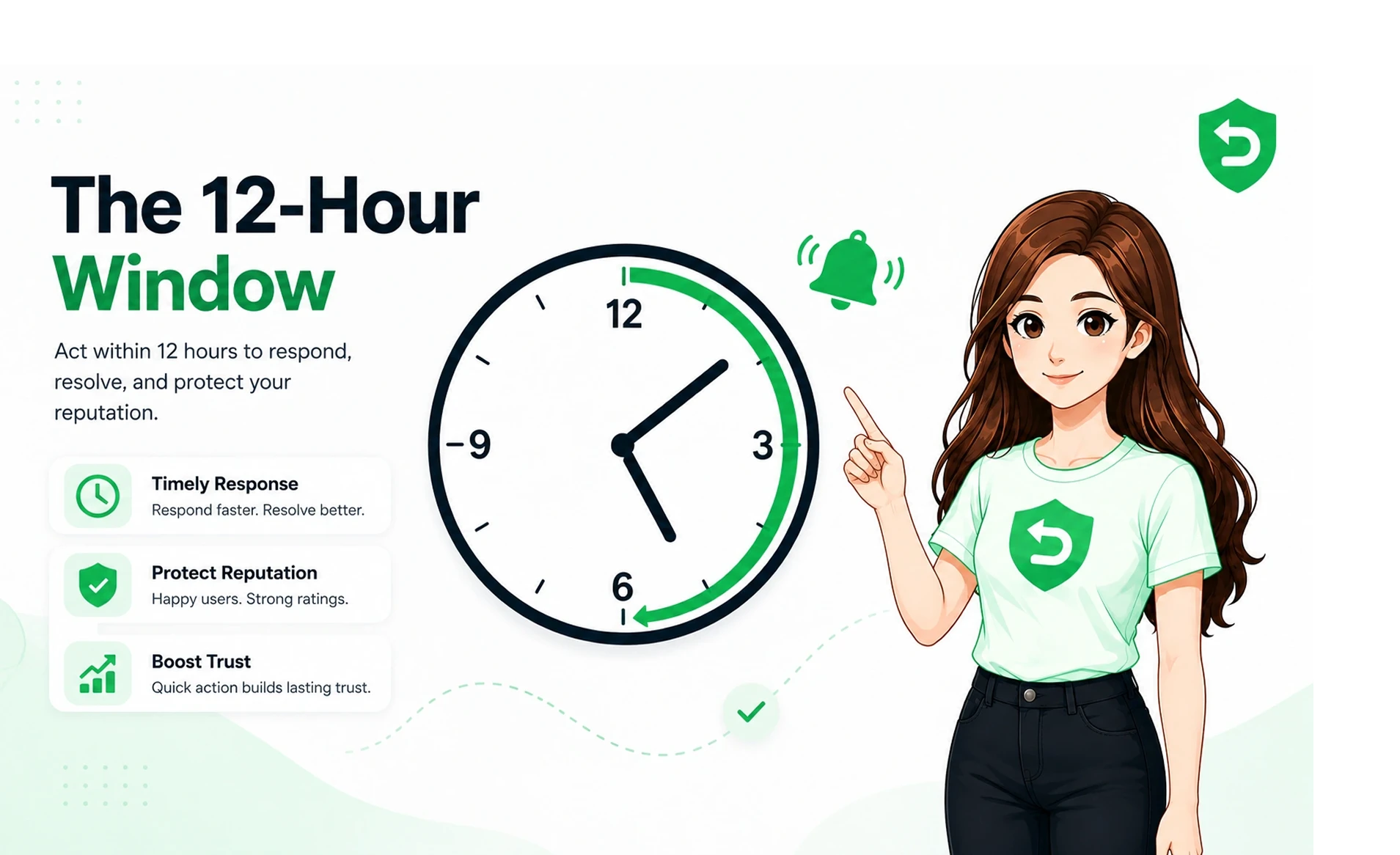
Respond to every eligible request, every time. The biggest losses aren't contested-and-lost, they're never-contested, forfeited to a missed window. Winning back your response rate is the highest-leverage move, and it's the one fully in your control. (See The 12-Hour Window.)
Send accurate, complete data. A response with real consumption, delivery, tenure, and history data is stronger than a bare preference. Completeness is where response quality lives. (See the field-by-field breakdown.)
Watch the aggregate, not the anecdote. Track your approved-refund rate over time and by reason. That trend tells you whether your strategy is working; a single approval doesn't.
This is the practical case for automation. Responding to every request with complete data, inside the window, consistently, is exactly what a human process can't sustain and what a tool does by default. RefundSensor answers every eligible Apple CONSUMPTION_REQUEST and Google Play chargeback review automatically, with the consumption data attached, and tracks your outcomes over time, so you're optimizing the aggregate instead of agonizing over one loss.
Further reading
Stop judging refunds one case at a time. RefundSensor responds to every eligible Apple and Google Play refund request with complete data, inside the window, and tracks your success rate over time, so you can optimize the trend that actually matters. Start free
Frequently asked questions
Because Apple makes the final decision and your response is only one input. The customer's reason, history, and regional refund rights can outweigh your consumption data and preference in any given case.
No. It's one factor Apple considers, not an override. Where your evidence supports it, it can help; it can't force the outcome.
Usually not. A single granted refund often just reflects a stronger customer case or a legal refund right, not a mistake in your response.
Yes. Influence shows up across many requests, not in one. Consistently responding with accurate data lowers your overall approved-refund rate even though individual cases can still go against you.
By your approved-refund rate over time, not by individual outcomes. The trend reflects the strategy; a single case doesn't.